
DISCOVER / TECHNICAL RESOURCES
Bearing Health
Essential knowledge to keep bearings in optimal condition for higher performance, longer life and reliable operation.
Before Mounting a Bearing
Proper preparation before installation helps prevent premature bearing failure and supports reliable operation.
and specifications
mounting parts clean
dimensions and fits
mounting procedures
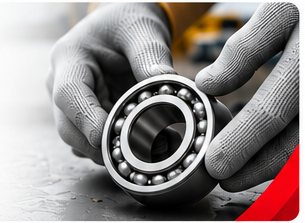

Bearing Lubrication
Correct lubrication reduces friction and wear, helps manage heat, and protects bearing surfaces.
grease or oil
quantity
relubrication intervals
compatibility
Failure of a Bearing
Recognising failure modes helps identify root causes and reduce unplanned downtime.
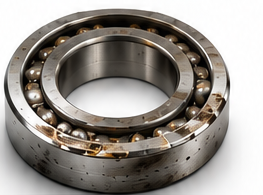
Common Causes of Failure
- Incorrect mounting or fit
- Loose fits on shaft or housing
- Excessive or misaligned loads
- Insufficient or unsuitable lubrication
- Contamination by dirt or moisture
- Electrical erosion in applicable equipment
- Abnormal vibration or operating conditions
Common warning signs:unusual noise,
elevated temperature,
increased vibration,
lubricant discoloration,
or visible surface damage. Confirm the cause through inspection before replacing components.
Maintenance of a Bearing
Planned inspection and care help improve reliability and reduce the risk of unexpected failures.

Inspection
Check for abnormal noise, vibration, temperature and visible wear.

Cleaning
Keep work areas and surrounding parts free of contaminants. Clean bearings only when appropriate.

Relubrication
Use the specified lubricant, quantity and interval for the application.

Condition Monitoring
Track temperature, vibration and operating trends to detect changes early.
Proper Handling Practice of Bearings
Careful handling helps prevent damage and preserves bearing precision.
dry hands or gloves
packaging until use
and dropping
dry environment
handling guidance
Key Takeaways
- Use the correct bearing and fit.
- Maintain appropriate, clean lubrication.
- Keep the operating environment clean.
- Inspect regularly for early warning signs.
- Follow manufacturer recommendations.
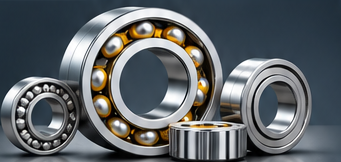
Warning
Excessive loads, incorrect installation, unsuitable lubrication or contamination can cause serious damage and unexpected bearing failure. Follow equipment and bearing manufacturer guidance.
FREQUENTLY ASKED QUESTIONS
Frequently Asked Questions
Quick answers to common questions about bearing care, lubrication, maintenance and failure.
◉How often should bearings be lubricated?
There is no universal interval. It depends on bearing type, speed, temperature, load, lubricant and operating environment. Use the manufacturer's relubrication recommendations and adjust based on condition monitoring.
Can I mix two different greases?
Avoid mixing greases unless compatibility has been confirmed. Different thickeners or additives may be incompatible and affect performance.
What are the early signs of bearing failure?
Common signs include abnormal noise, increasing vibration, rising temperature, lubricant deterioration and visible wear. Investigate the root cause promptly.
How can I extend the service life of a bearing?
Select the correct bearing and fit, install it using suitable tools, prevent contamination, lubricate correctly and monitor operating conditions.